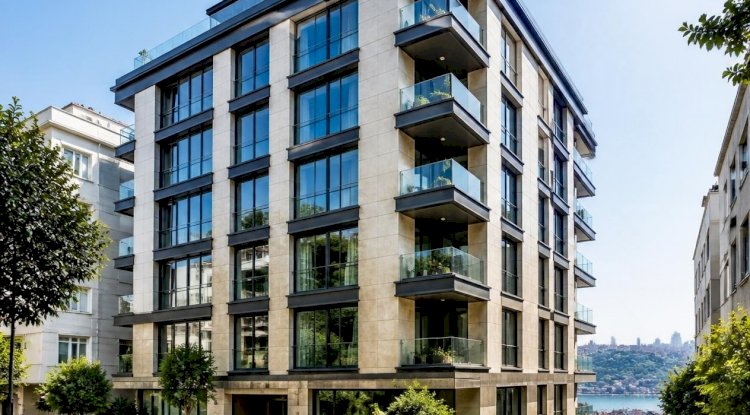
Land Share in Urban Transformation and Future Value
Explore how land shares and the characteristics of individual units in urban transformation projects affect the rights of property owners and the future value of real estate.

When the subject of urban transformation arises, the "land share" (the portion of the land owned by an individual unit) becomes just as significant as the size and location of an apartment. This is because the current and future value of an independent unit is not determined solely by its square footage; it is also influenced by the characteristics of the underlying land, the unit's position within the project, and the rights granted following the transformation.
Why is the land share important?
The land share refers to the portion of joint ownership that an independent unit holds in the land upon which the main property is built. This proportion is recorded in the title deed and plays a key role in assessing the rights of property owners during the building renewal process. However, the land share and the market value of an apartment do not always align. For instance, an apartment with a high land share might still have a lower market value due to factors such as its floor level, orientation (facing direction), layout, or the amenities in its immediate surroundings.
Consequently, focusing exclusively on the square footage of an existing apartment during urban transformation discussions can lead to an incomplete assessment. It is essential to examine the title deed records, the specific features of the independent unit, and the land shares in conjunction with one another.
Selection of individual units in a new project
The value of the apartments to be provided following an urban transformation is determined by factors such as net usable area, floor level, orientation (facade), natural light exposure, parking facilities, and the presence of a balcony. Consequently, two individual units within the same building may carry different market values. When determining the allocation of specific units in a new project, one must consider not merely the number of apartments, but also the balance of features and value.
Property owners should carefully review project plans, lists of individual units, and the terms of allocation in writing when comparing proposals; this helps prevent potential disputes. Seeking professional advice from valuation experts and legal counsel, when necessary, also facilitates more informed decision-making.
How is future real estate value assessed?
It is impossible to predict with absolute certainty the value that will emerge after an urban transformation. Factors such as regional transportation projects, social amenities, the quality of the new construction, and market conditions may evolve over time. Nevertheless, evaluating the area’s development potential, the land share (ownership stake), and the specific attributes of the new unit collectively provides a more realistic perspective.
Making a sound decision in urban transformation begins with understanding title deed information, scrutinizing the terms of allocation, and considering both future utility and resale potential. In this way, property owners can focus not just on a new building, but on a real estate asset that aligns with their rights and holds long-term value.
Ozkan OZEL
Strategic Real Estate Asset Management
Besiktas / Istanbul
What's Your Reaction?